Environmental Education for Kids: Join Cooper & Grandude
- Trey Frankovich
- 6 days ago
- 5 min read

Updated: 3 days ago
In a world where environmental issues are becoming increasingly pressing, it is essential to instill a sense of responsibility and awareness in the younger generation. Children are the future stewards of our planet, and teaching them about environmental conservation can empower them to make a difference. One engaging way to introduce kids to this vital subject is through storytelling, and what better way to do this than with the delightful characters of Cooper and Grandude?
Why Nature Education Matters
Nature is one of the greatest classrooms ever created. Every trail, bayou, tree, bird, and insect has something to teach us—if we’re willing to slow down, observe, and ask questions.
At Cooper & Grandude, we believe children learn best when they experience the outdoors firsthand. Instead of simply accepting what they’re told, we encourage young explorers to look carefully, think critically, and discover the incredible order, beauty, and complexity found throughout the natural world.
Here are a few of the lessons we hope every Little Dude discovers:
Curiosity
Children are naturally curious. We encourage them to ask questions, investigate, compare ideas, and follow the evidence wherever it leads. Learning begins with wonder.
Observation
The outdoors is full of patterns, relationships, and fascinating discoveries. By paying close attention, children develop important scientific skills such as observing, comparing, recording, and drawing thoughtful conclusions.
Stewardship
Taking care of our neighborhoods, parks, trails, and waterways is simply the right thing to do. Whether it’s picking up litter, respecting wildlife, or leaving a place better than we found it, small acts of care make a lasting difference.
Appreciation
The natural world is filled with remarkable beauty and incredible design. Spending time outdoors helps children develop gratitude, respect, and a lifelong desire to protect the places they love.
Critical Thinking
Good learners don’t stop asking questions. We encourage children to explore different ideas, evaluate evidence carefully, think for themselves, and develop the confidence to form thoughtful conclusions based on what they observe.
Our goal isn’t to tell children what to think—it’s to help them become curious, thoughtful explorers who love learning, value truth, and care for the world around them.
Meet Cooper and Grandude
Cooper and Grandude are characters that can help make environmental education fun and relatable for children. Grandude, a wise and adventurous grandfather, takes his curious pup Cooper on exciting journeys that explore different aspects of the environment. Through their adventures, children can learn valuable lessons about nature, conservation, and sustainability.
The Adventures of Cooper and Grandude
Exploring the Forest
In one adventure, Cooper and Grandude venture into a lush forest. They discover the importance of trees in providing oxygen, shelter for wildlife, and preventing soil erosion. This experience teaches children about the vital role forests play in our ecosystem.
Beach Cleanup Day
Another adventure takes them to the beach, where they participate in a cleanup day. They learn about the impact of plastic pollution on marine life and the importance of keeping our oceans clean. This story can inspire kids to take action in their communities.
Gardening Together
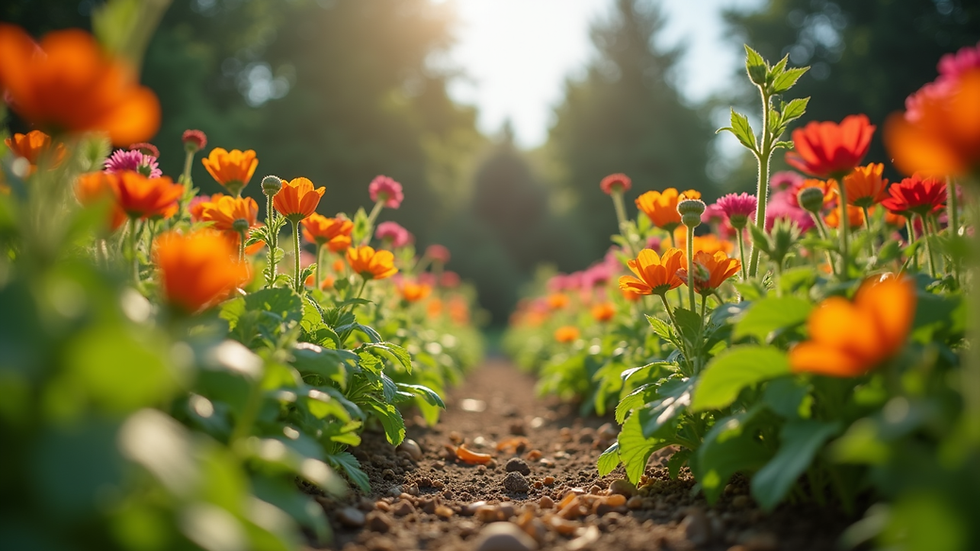
Cooper and Grandude also spend time in a garden, where they learn about growing their own food and the benefits of organic gardening. This experience can encourage children to appreciate where their food comes from and the importance of sustainable agriculture.
Practical Tips for Parents and Educators
To enhance the lessons learned from Cooper and Grandude's adventures, parents and educators can incorporate practical activities into their children's lives. Here are some ideas:
Nature Walks
Organize regular nature walks where children can observe local flora and fauna. Encourage them to ask questions and explore their surroundings. This hands-on experience fosters curiosity and a deeper understanding of ecosystems.
DIY Projects
Engage kids in DIY projects that promote sustainability, such as creating bird feeders, planting trees, or starting a compost bin. These activities not only teach valuable skills but also instill a sense of accomplishment.
Storytime Sessions
Incorporate books and stories about environmental themes into reading time. Stories featuring characters like Cooper and Grandude can spark discussions about nature and conservation.
Community Involvement
Encourage children to participate in local environmental initiatives, such as tree planting events or recycling drives. This involvement helps them feel connected to their community and the planet.
The Role of Schools in Environmental Education
Schools play a crucial role in fostering environmental awareness among students. Here are some ways schools can integrate environmental education into their curriculum:
Outdoor Classrooms
Creating outdoor classrooms allows students to learn in a natural setting. This approach can enhance their understanding of ecological concepts and promote a love for nature.
Environmental Clubs
Establishing environmental clubs gives students a platform to discuss and address environmental issues. These clubs can organize events, campaigns, and projects that promote sustainability within the school and community.
Curriculum Integration
Incorporating environmental topics into various subjects, such as science, geography, and art, can provide a well-rounded understanding of environmental issues. For example, students can learn about ecosystems in science class and create art projects inspired by nature.
The Impact of Technology on Environmental Education
In today's digital age, technology can be a powerful tool for environmental education. Here are some ways technology can enhance learning:
Interactive Apps and Games
There are numerous apps and games designed to teach children about the environment in a fun and engaging way. These tools can make learning about sustainability enjoyable and interactive.
Virtual Field Trips
Virtual reality technology allows students to explore different ecosystems and environments from the classroom. This immersive experience can deepen their understanding of global environmental issues.
Online Resources
Websites and online platforms offer a wealth of information and resources for both educators and students. These resources can provide lesson plans, activities, and information on current environmental issues.
Encouraging Lifelong Environmental Stewardship
The goal of environmental education is to inspire a lifelong commitment to protecting the planet. Here are some ways to encourage this mindset in children:
Lead by Example
Children learn by observing the adults in their lives. Demonstrating environmentally friendly practices, such as recycling, conserving water, and using public transportation, can inspire them to adopt similar habits.
Foster Curiosity
Encourage children to ask questions about the environment and seek answers. This curiosity can lead to a deeper understanding and appreciation of nature.
Celebrate Achievements
Recognize and celebrate children's efforts to protect the environment, whether it's through small actions at home or larger community initiatives. Positive reinforcement can motivate them to continue their efforts.
Conclusion
Environmental education is essential for nurturing a generation of responsible and informed individuals who care about the planet. Through the adventures of Cooper and Grandude, children can learn valuable lessons about nature, conservation, and sustainability. By incorporating practical activities, engaging stories, and technology into their learning, we can empower kids to become active participants in protecting the environment.
As we embark on this journey of environmental education, let us remember that every small action counts. Together, we can inspire the next generation to cherish and protect our beautiful planet for years to come.


Comments